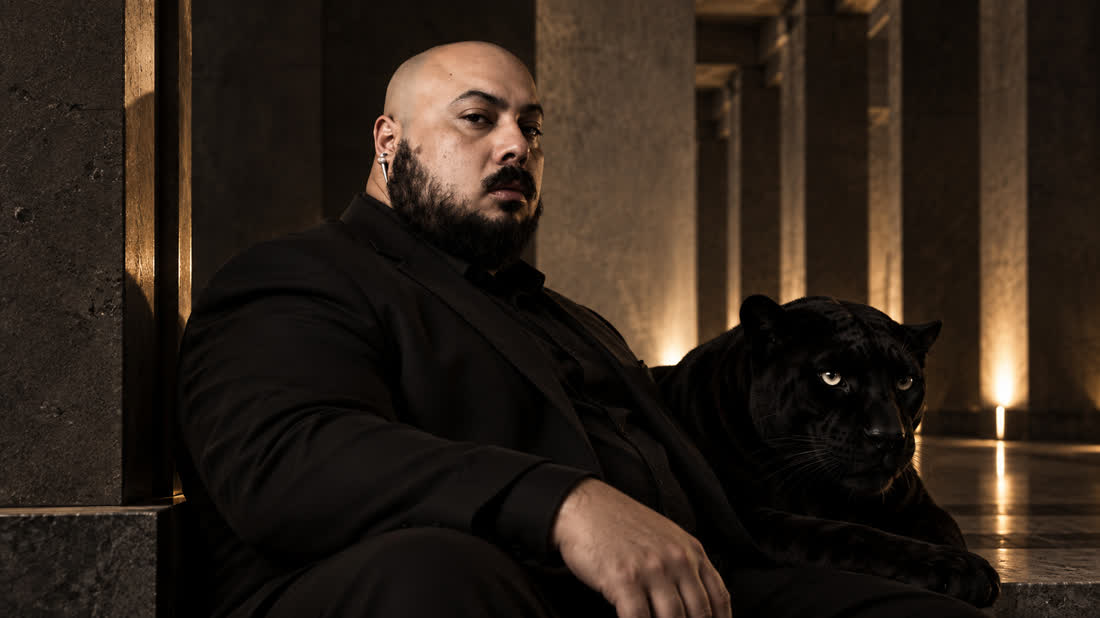
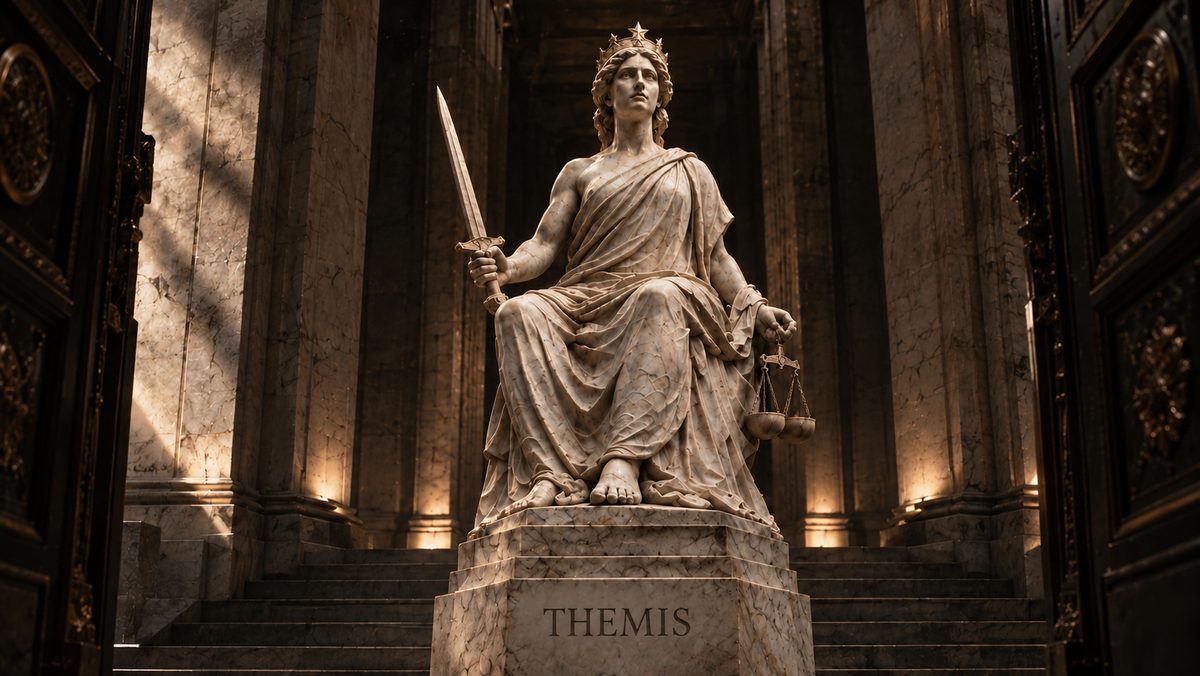
My professional life didn’t begin in a creative studio. It began at The Supreme Court of El Salvador, working on institutional modernization. There I learned to read complex systems, recognize patterns, and find the gap between what an organization says and what it actually is.
That became my unfair advantage in creative direction: I don’t start with the image. I start with the system. I diagnose before I create.
AI expands the field. Creative judgment determines the direction.
PekeBudha
Construction
Founder & Creative Director · 2022–2024
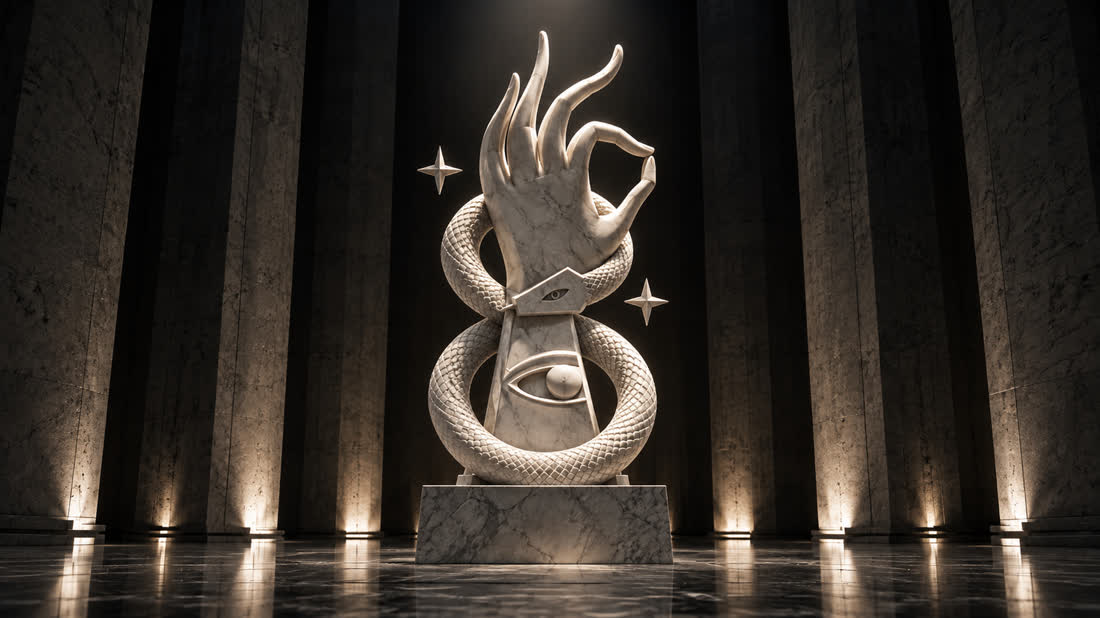
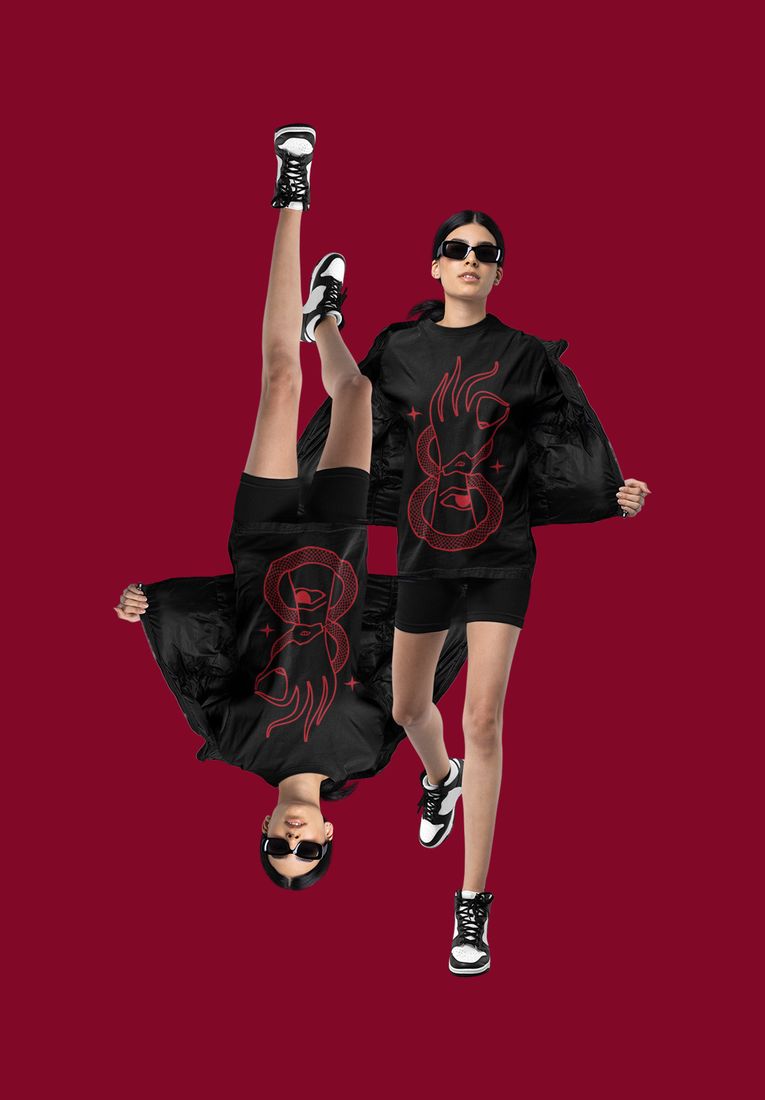
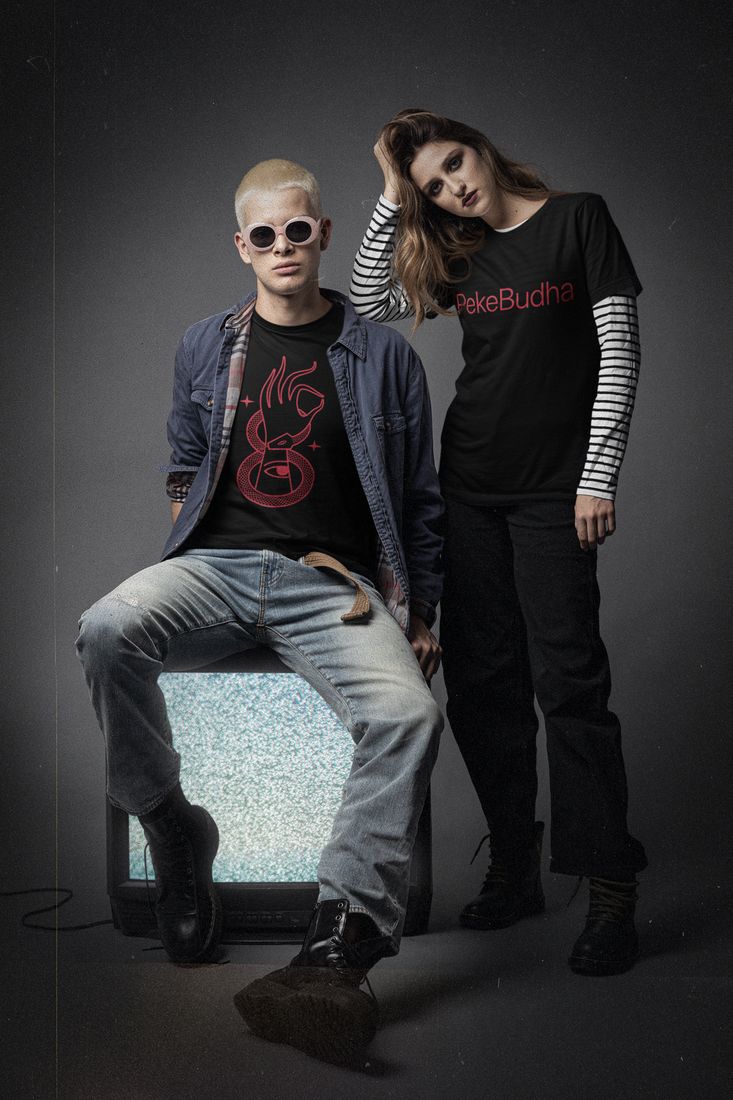
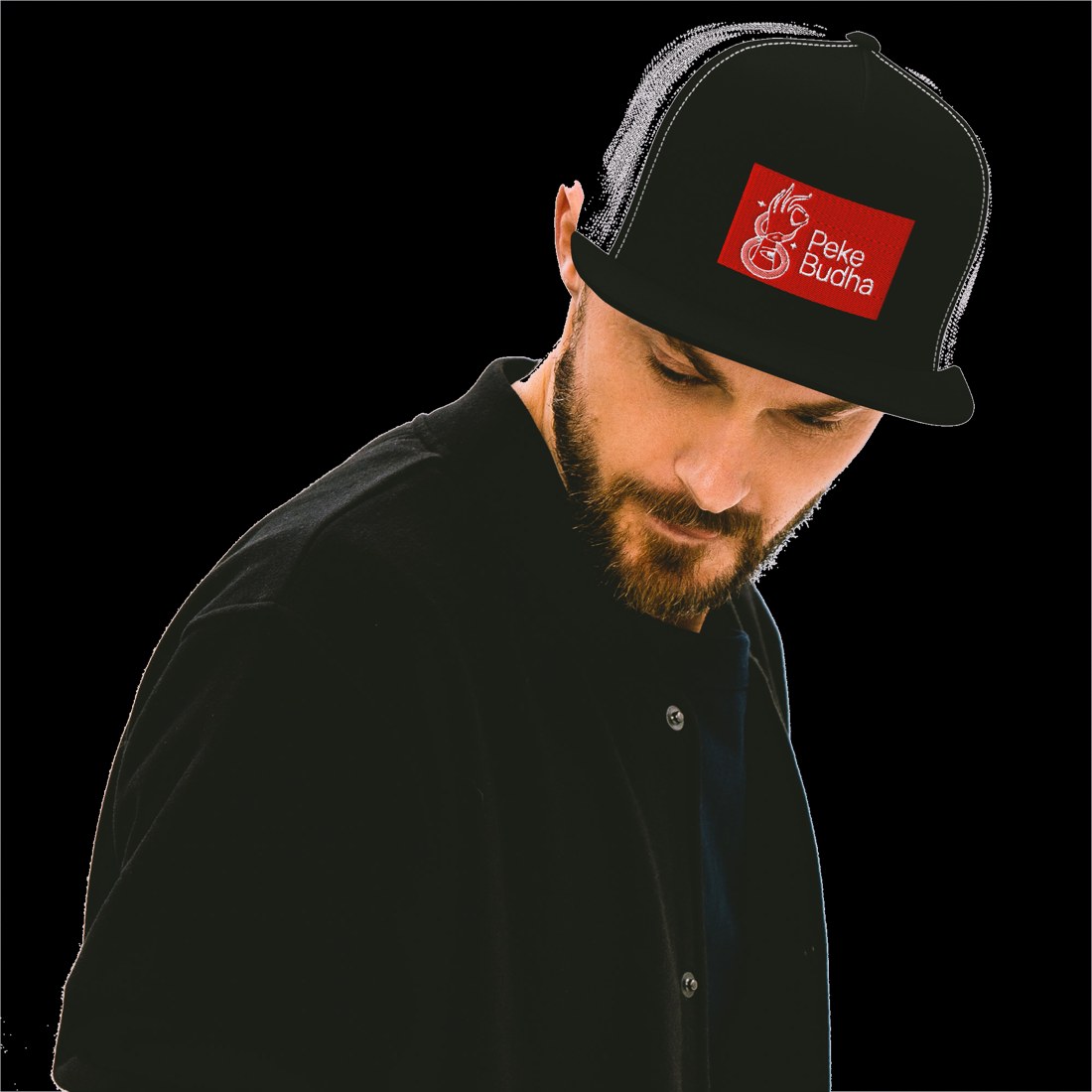
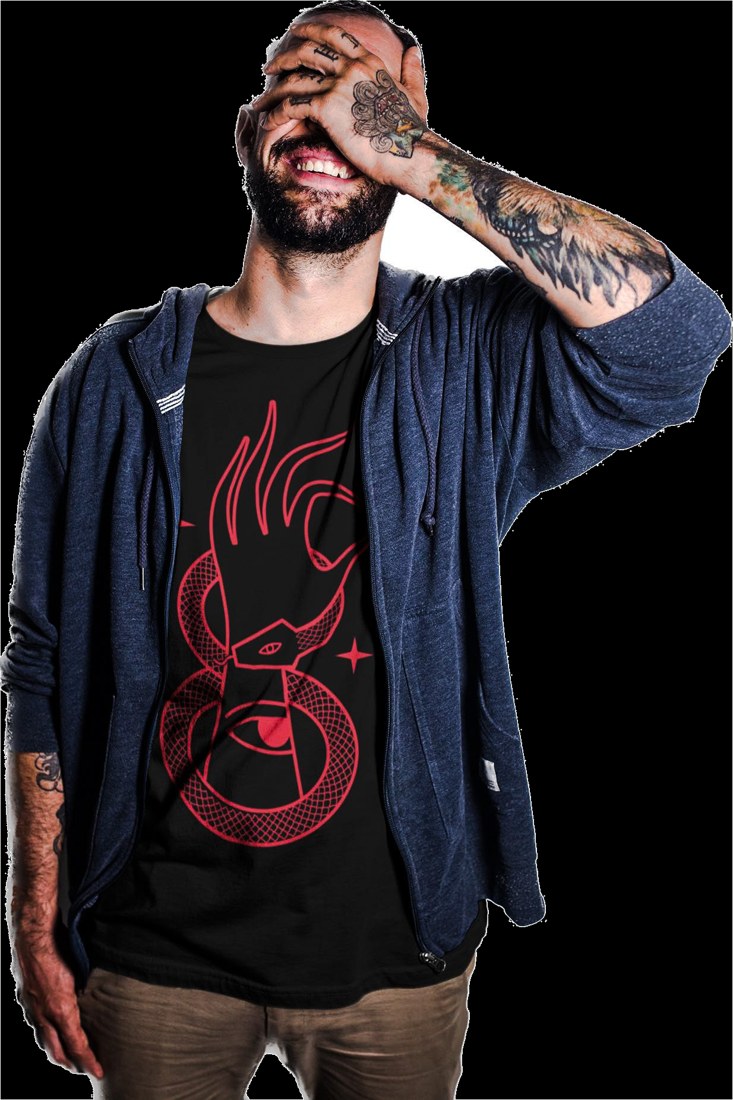
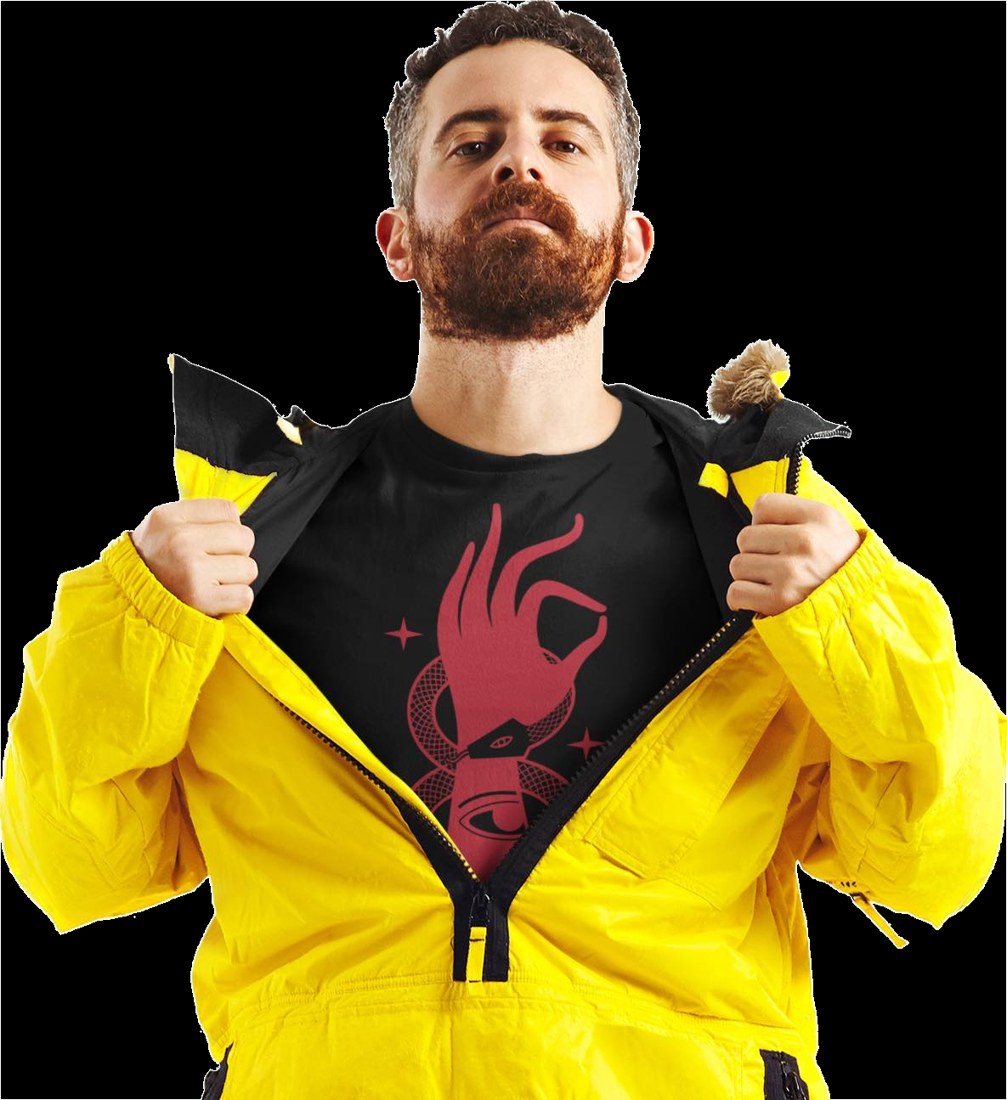
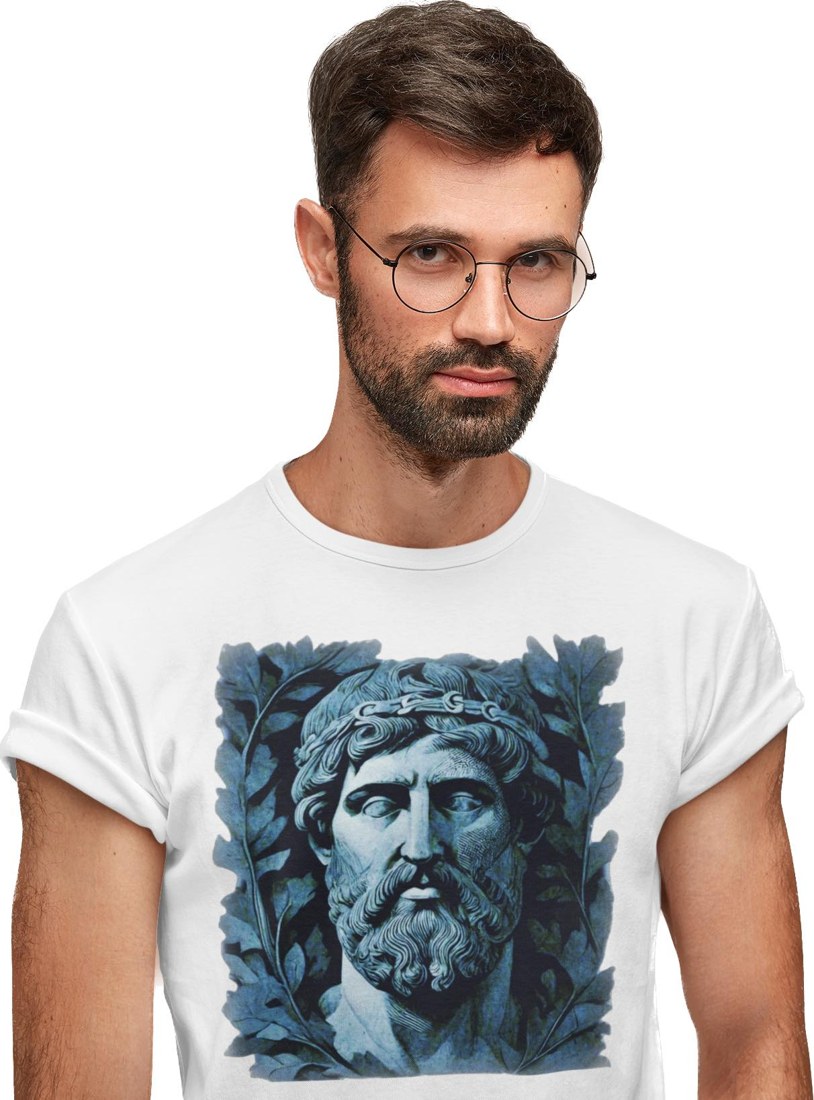
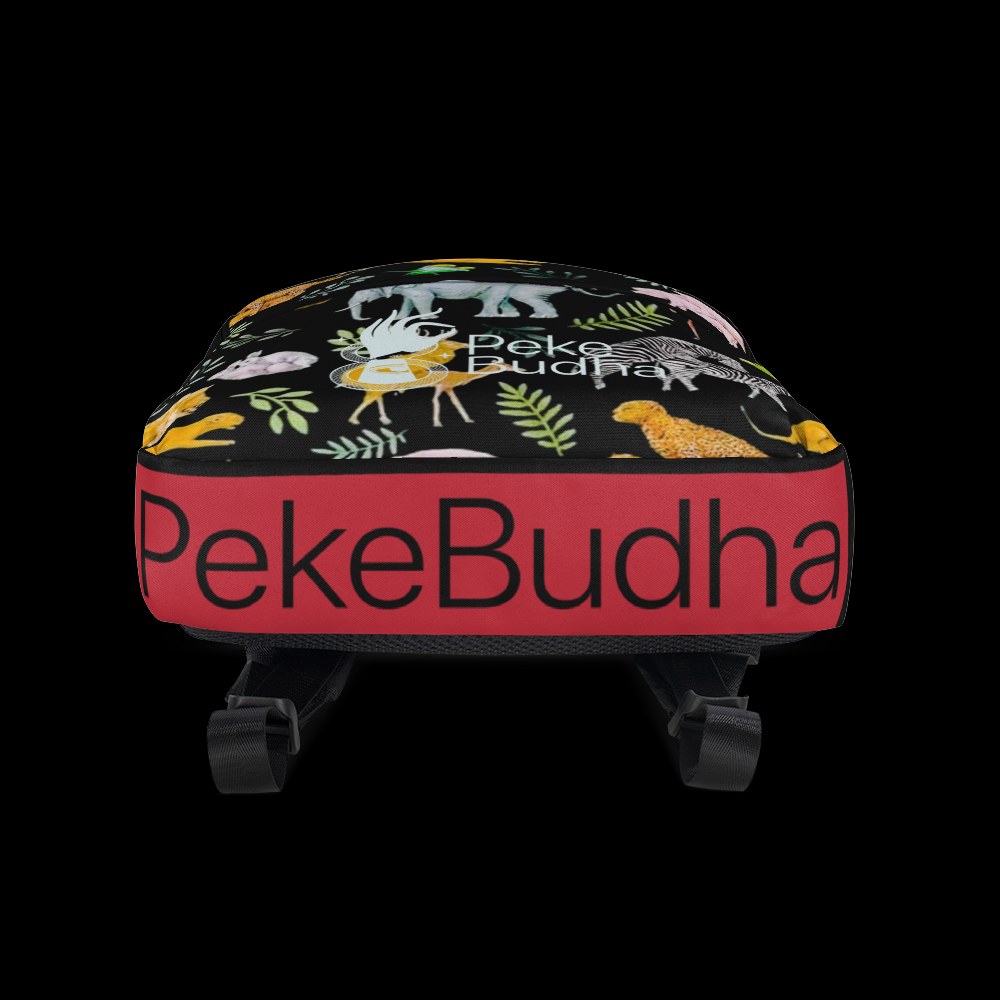
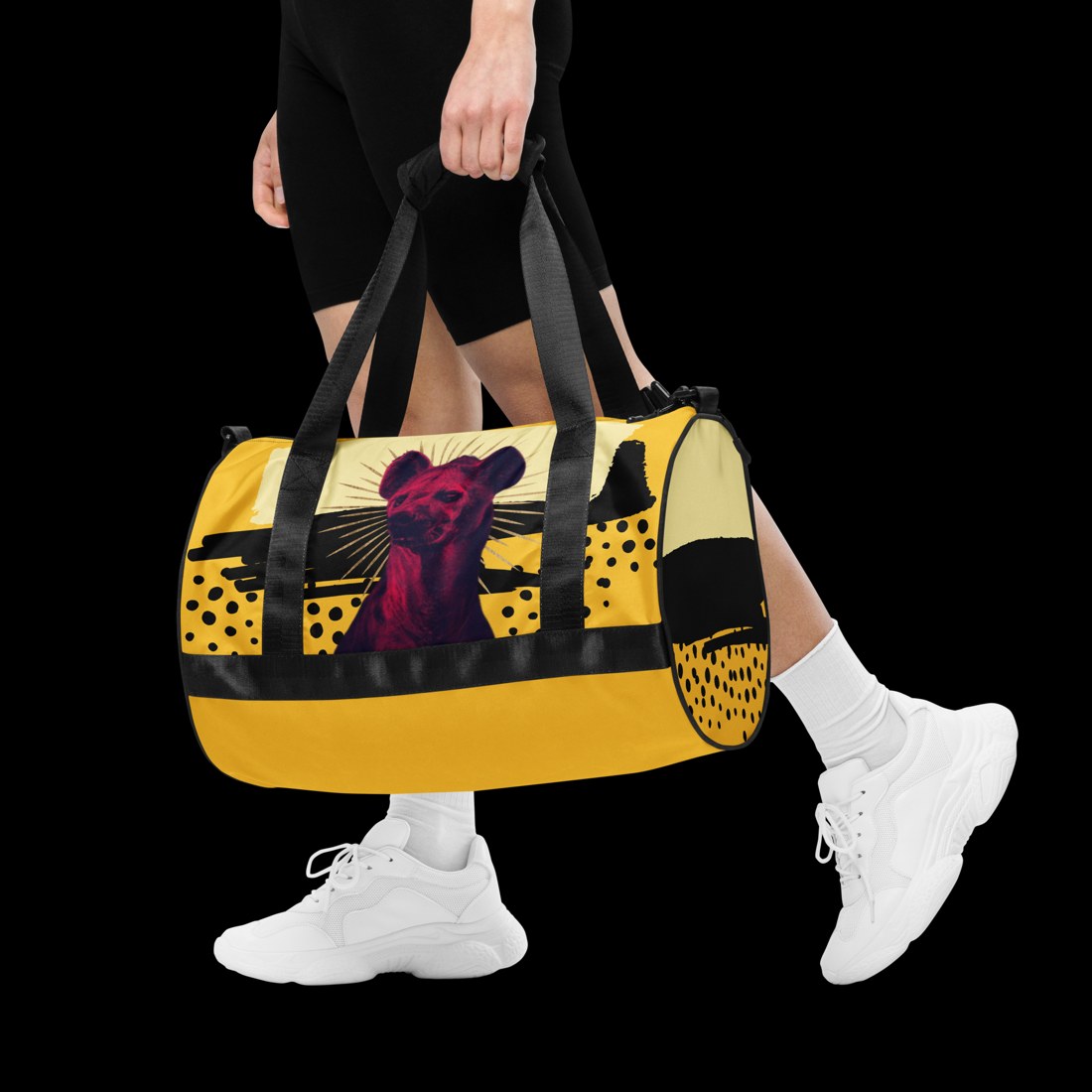
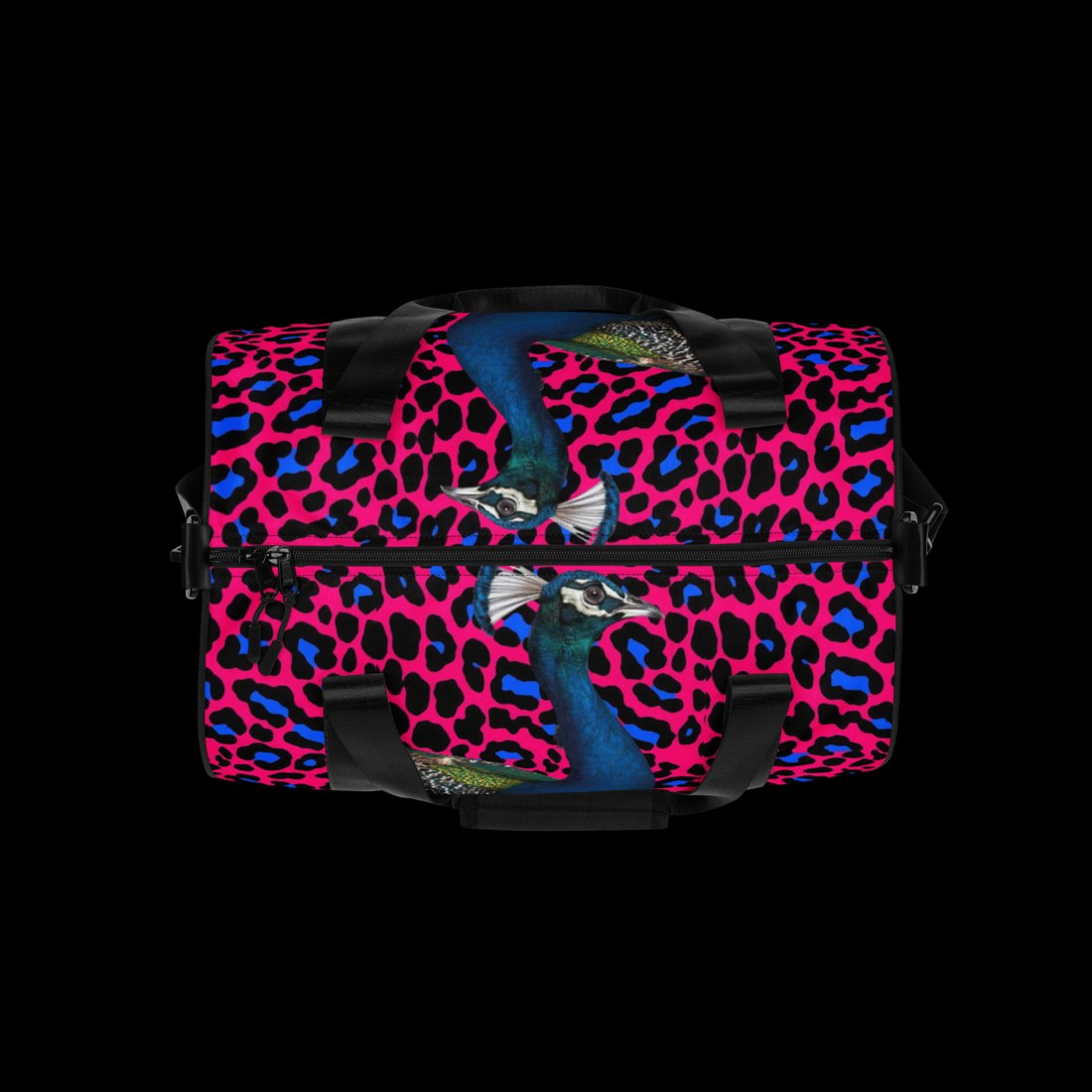
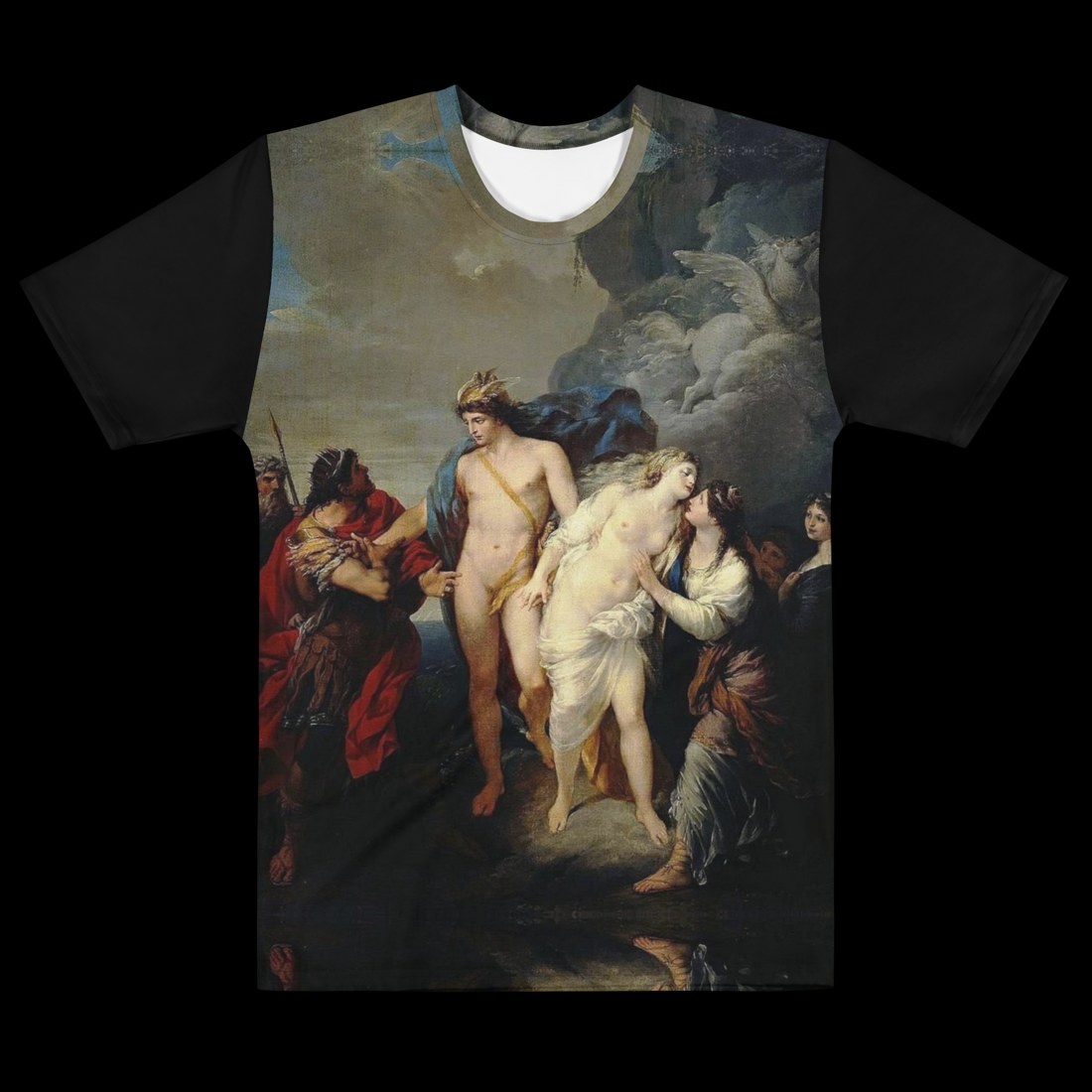
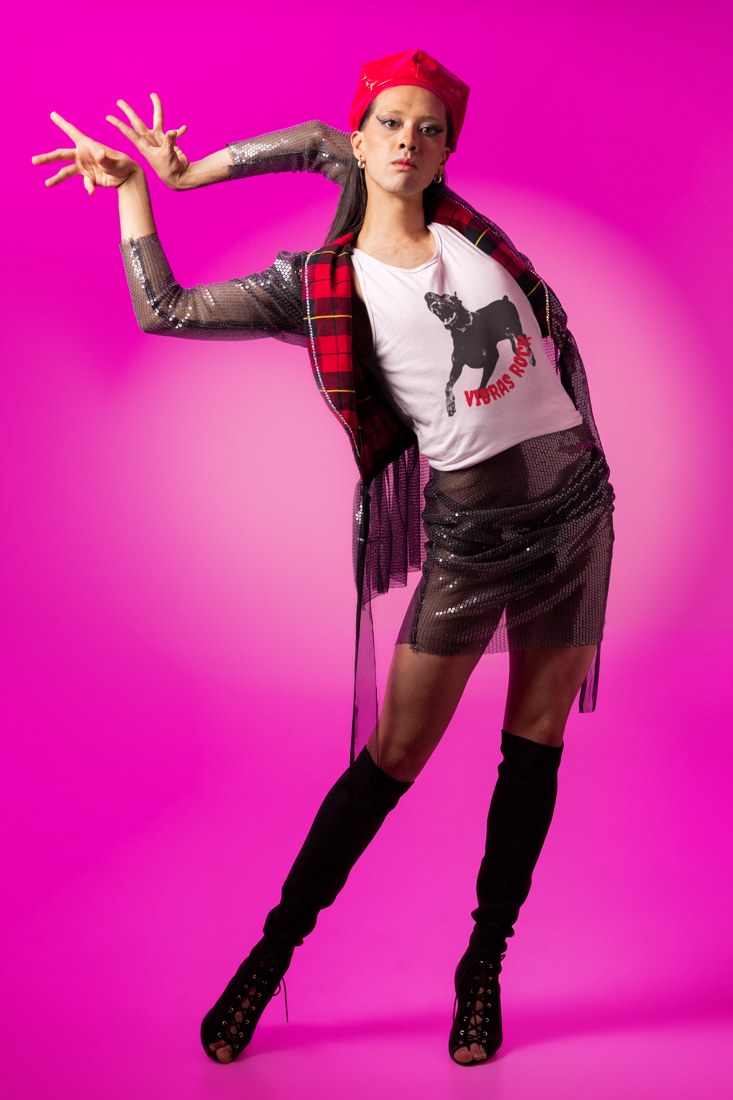
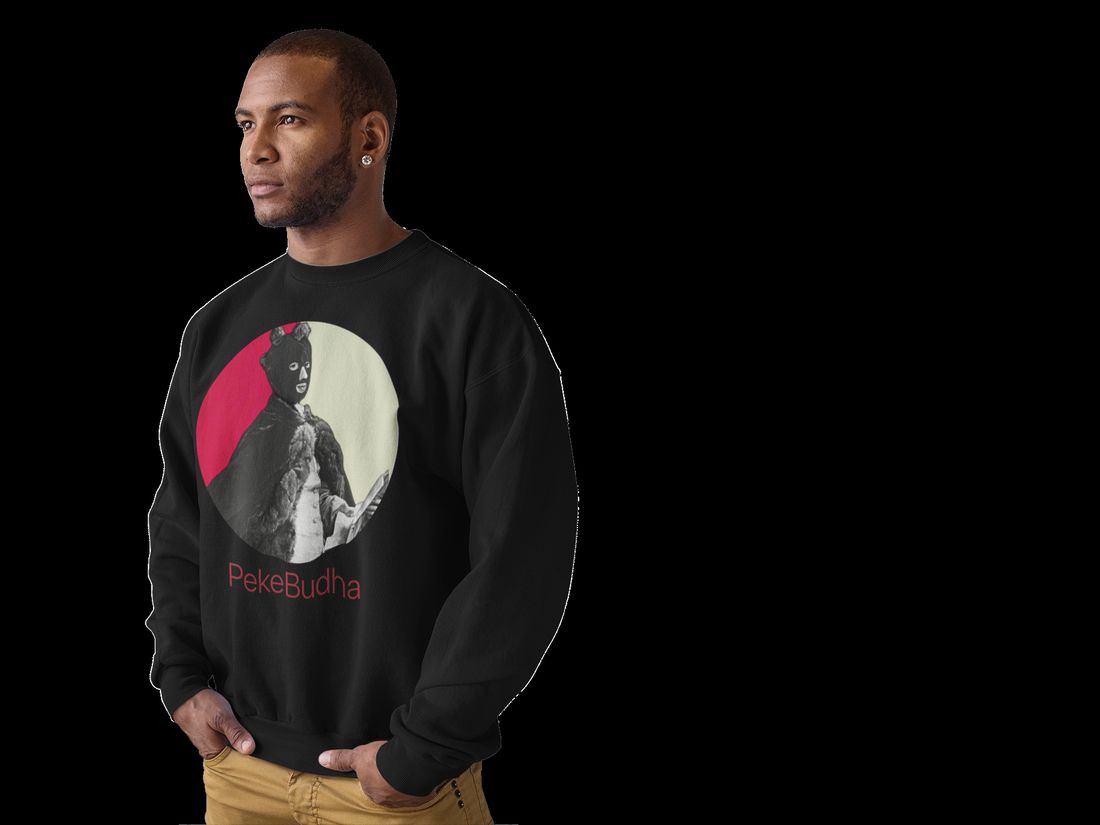
PekeBudha began with an intuition: my personal style could become a brand. I built it end-to-end—name, identity, garments, imagery, website, advertising, production, direct sales. Mysticism and classical art became its creative axis. Every piece had to pass one question: Would I wear it?
The market showed a gap between strong interest and actual purchases. The markets with real affinity demanded a personal and financial commitment I was not willing to make. I read the signal, not the noise. I closed the business.
What I kept is what matters: the ability to turn intuition into a visual system, test it against reality, and make the call when reality contradicts the assumption.
One identity, carried across different visual worlds.
01 / 17
Direction
Numinoso
I lead the creative process from concept to final image. I define the visual territory, establish the criteria, and use generative AI to explore possibilities. I decide what moves forward, what is rejected, and what ultimately becomes the work.
AI expands the field. Creative judgment determines the direction.
How do you know what is worth doing before investing in your brand, website, or marketing?
Most brands invest before they know if the investment is justified. I built AURUM to close that gap.
Instead of starting with solutions, I designed a system of evidence-based brand diagnosis: test the observation, challenge the hypothesis, look for the contradiction, and separate what can be demonstrated from what only appears to be true.
I direct that diagnosis. The system doesn’t decide—I do. What the system guarantees is that every decision is stress-tested before it becomes direction.
The method has been applied across brand categories and business contexts. La Panetière and Corsario Tostadores are two visible cases where the work had to survive contact with reality—and the gap between a plausible observation and one that holds under evidence.
The system itself becomes the object of investigation.
From system to autonomy.
AURUM was built around human judgment. NUBIA asks the next question: what happens when that logic is redesigned to operate with as little human intervention as possible?
The project explores how a complex diagnostic system becomes a simple, autonomous product—without losing the rigor that made it work in the first place.
The experiments
What I explored
Aurum
Explored
Whether a brand diagnosis can be made defensible without exposing the method behind it.
Demonstrates
Process design, research structure, falsification discipline, and evidence-based judgment about when a decision can be defended.
Learned
Rigor can itself become an obstacle. Internal complexity is not external clarity.
Open
Replication by independent operators is not demonstrated.
Nubia
Explored
Whether a system I had built should continue to exist in its current form.
Demonstrates
A decision and a change of criterion: the willingness to challenge sunk investment rather than repair it.
Learned
Not every discovery should become protocol.
Open
Execution and validation of the replacement are not demonstrated.
Numinoso
Explored
Turning intuition into images under an explicit criterion, with AI as a production system.
Demonstrates
Creative direction, visual language, coherence, and curatorial control over what is published and what is archived.
Learned
The AI accelerates; judgment selects. Some work was never published because it did not meet the criterion.
PekeBudha
Explored
Building a brand end to end: identity, direction, imagery, commerce, retail.
Demonstrates
Brand construction and creative direction across digital and physical surfaces.
Open
The historical visual archive is not publicly available.
2002 – 2016
The Supreme Court of El Salvador
Senior Administrative & Transparency Coordinator
Judicial Transparency Office. Committee leadership. Training of more than 100 legal and administrative professionals. Interinstitutional agreements and process design.
Procurement and supply contracts under the Judicial Modernization Project, to World Bank standards — IBRD No. 7135-ES.
This is where the criterion comes from: managing complexity, holding structure, working from evidence, and designing the process that produces a decision.
On record
Degree in Legal Sciences. U.S. equivalency documentation available.
Electronic Government — ITESM Monterrey.
Transparency & Public Information — UCA El Salvador.
Management of Public Administration — INAP, Spain.
Knowledge Management in Public Administration — ECLAP, Spain.